
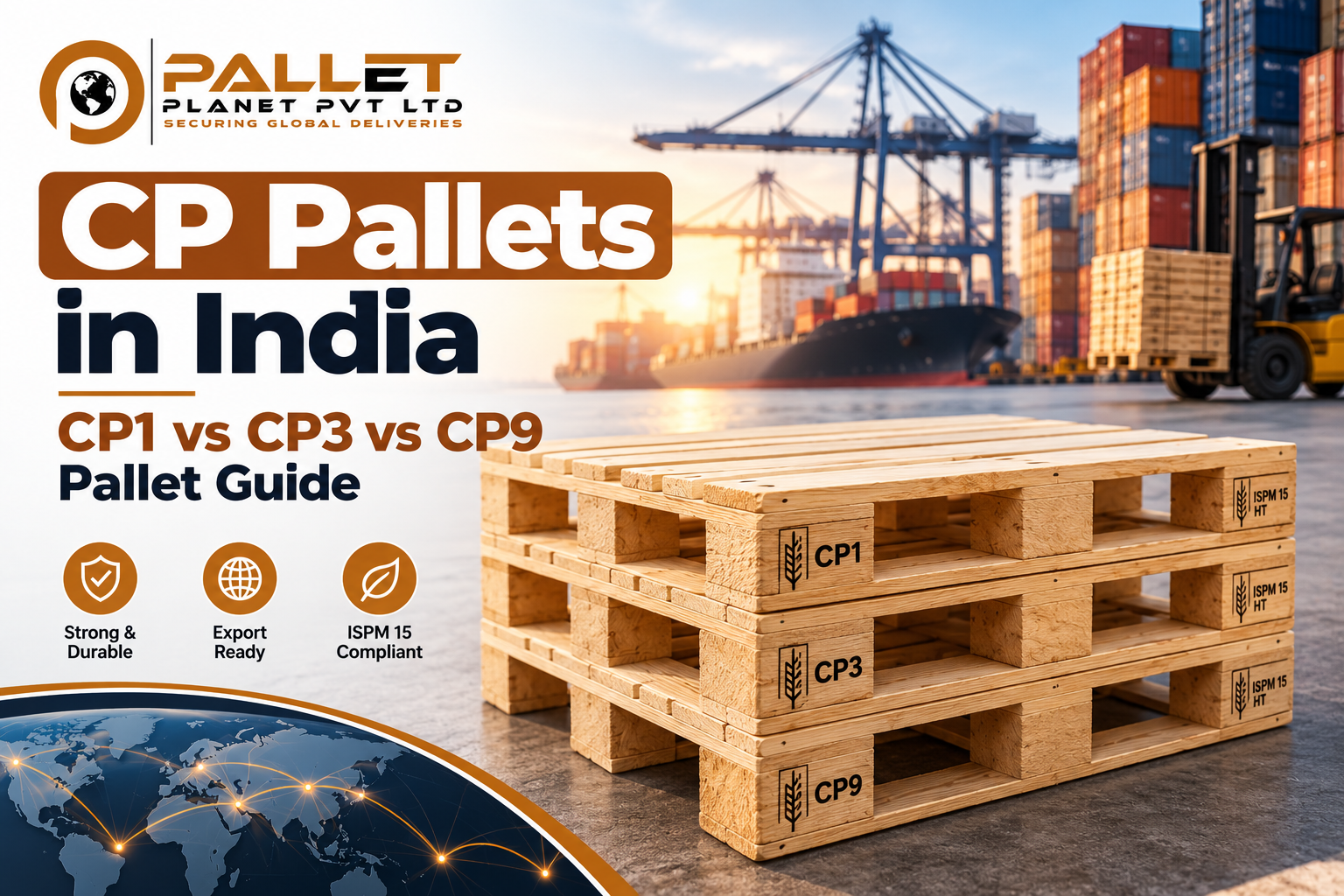
Quick Answer: What Is the Difference Between CP1, CP3 and CP9 Pallets?
CP pallets are standardized Chemical Pallet designs used across chemical, plastics, packaging and general industrial supply chains. For buyers comparing CP Pallets in India | CP1 vs CP3 vs CP9 Pallet Guide, the main point is simple: CP1, CP3 and CP9 are not interchangeable just because they are all wooden pallets.
CP1 is commonly referenced at 1200 × 1000 mm, while CP3 and CP9 are commonly referenced at 1140 × 1140 mm. CP3 and CP9 share the same nominal footprint, but their construction and load-support arrangement differ. The actual drawing, timber sections, deck layout, base style and handling method should always be confirmed before manufacturing.
Straight answer from the PalletPlanet technical team
“When a buyer says only ‘I need a CP pallet,’ that is not enough for production. We first need the CP type, loaded weight, product form, forklift access, storage method and whether the pallet is for domestic or export movement. Two pallets can look similar from a distance but behave very differently under a real industrial load.”
What Are CP Pallets and Why Are They Used?
CP stands for Chemical Pallet. The CP pallet family was developed around repeatable pallet formats used in chemical and related industrial logistics. Different CP numbers identify different pallet footprints and constructions for different load patterns and handling needs.
In practice, CP pallets are used for drums, bags, cartons, intermediate packaging, raw materials, additives, polymers, resins and finished industrial goods. They are especially useful when a buyer wants a known pallet family instead of specifying a completely custom pallet from zero.
One practical point is often missed: the CP number is only the starting point. The real buying decision still depends on the loaded weight, footprint, whether the load is concentrated or evenly spread, racking or floor storage, forklift direction, pallet-jack use, transport vibration and export requirements.
CP1 vs CP3 vs CP9 Pallets at a Glance
- CP1 Pallet: Commonly 1200 × 1000 mm. Often selected for bags, cartons, sacks and general chemical-industry unit loads where a rectangular footprint suits the product and handling system.
- CP3 Pallet: Commonly 1140 × 1140 mm. A square footprint that can suit drums, bags and industrial loads where even surface coverage is useful.
- CP9 Pallet: Commonly 1140 × 1140 mm. Also square, but built differently from CP3 and often selected for demanding industrial loads where the base and block-style construction better suits the handling requirement.
The right comparison is therefore not “Which one is strongest?” but “Which CP design matches the real load and handling cycle?”
CP1, CP3 and CP9 Pallet Details
1. CP1 Pallet
CP1 is commonly associated with a 1200 × 1000 mm footprint. It is widely used for industrial unit loads that work well on a rectangular pallet base. Buyers typically consider CP1 for sacks, cartons, bags, raw materials and packaged chemical products.
See PalletPlanet’s CP-1 Pinewood Pallet page for the existing product range.
2. CP3 Pallet
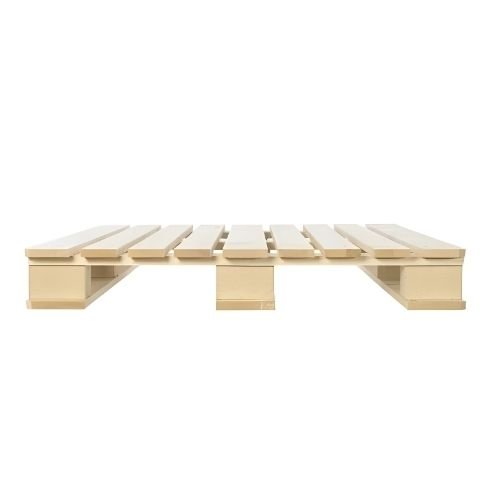
CP3 is commonly associated with a 1140 × 1140 mm square footprint. The square base can be practical for drums, bags and industrial loads where the product footprint benefits from a broader, more balanced support area.
See the CP-3 Pallet product page for PalletPlanet’s CP3 offering.
3. CP9 Pallet
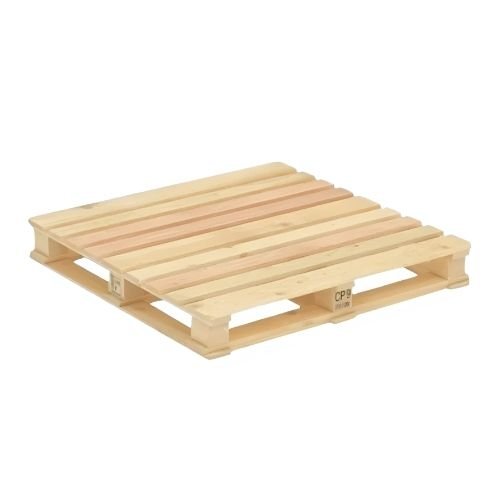
CP9 also commonly uses a 1140 × 1140 mm footprint, but buyers should not treat it as “the same as CP3.” Its construction is different and it may be preferred where the load, handling method or base support calls for that style.
See the CP-9 Pinewood Pallet product page for PalletPlanet’s CP9 range.
Why CP3 and CP9 Can Be Confused
Both are often quoted with the same nominal 1140 × 1140 mm footprint, so buyers sometimes focus only on size. That is a mistake. The pallet drawing, top deck, bottom deck, blocks or supporting members, entry clearances and fastener pattern all matter.
ISPM 15 and Heat Treatment for CP Pallet Exports
If a CP pallet made from solid wood is used in international trade, the shipment may be subject to ISPM 15 phytosanitary requirements depending on the destination and applicable rules. Heat treatment is related to pest-risk management for wood packaging; it is not a chemical-product quality certification.
For buyers, the practical step is to tell the supplier the destination country before production. This helps avoid the common situation where the pallet is already made and packed, and only then someone asks whether export treatment or marking is required.
Q: Does every CP pallet need heat treatment?
A: No. Heat treatment is generally relevant when solid wood packaging is used for international movement and the destination or shipment rules require it. Domestic CP pallet use does not automatically mean ISPM 15 treatment is necessary.
CP1 vs CP3 vs CP9 Pallet Comparison Table
The table below is a buyer-level comparison. Final construction should be based on the agreed drawing and loaded condition.
| CP Type | Common Nominal Footprint | Typical Buyer Use | What to Check |
|---|---|---|---|
| CP1 | 1200 × 1000 mm | Bags, sacks, cartons, packaged chemicals, general industrial unit loads | Deck spacing, support members, loaded weight, entry clearance |
| CP3 | 1140 × 1140 mm | Drums, bags, square or evenly spread industrial loads | Deck layout, base design, forklift/pallet-jack handling |
| CP9 | 1140 × 1140 mm | Industrial and chemical loads requiring the CP9 construction style | Block/base arrangement, deck structure, load concentration, repeat handling |
*Nominal dimensions alone are not enough to approve a pallet. Use the required drawing or agreed construction specification for purchasing and production.
How to Choose Between CP1, CP3 and CP9
- Start with the product footprint: Are you loading bags, drums, boxes, sacks or mixed goods?
- Share the actual loaded weight: Avoid selecting a pallet from a vague “heavy-duty” description.
- Check load distribution: A uniformly spread load behaves differently from a drum, IBC-related component or dense point load.
- Confirm handling equipment: Forklift tine width, entry direction and pallet-jack use can influence the practical choice.
- Tell the supplier about storage: Floor stacking, racking, conveyor handling and long dwell times can change the construction requirement.
- Confirm domestic vs export use: Export use may bring heat-treatment and marking requirements.
Sticky Q&A: Which CP pallet should I buy?
Short answer: Choose the CP type from the real application, not from price or appearance alone. If your current customer drawing says CP1, CP3 or CP9, follow that drawing. If there is no drawing, send the product size, load, handling method and storage details before finalizing the pallet.
Common Applications of CP Pallets in India
Chemical Bags and Sacks
CP pallets are commonly used below resin, polymer, additive, powder and other packaged industrial bags where stable unitization is required.
Drum Handling
Square CP formats such as CP3 or CP9 may be considered where drums or round containers need a footprint that supports the intended arrangement.
Plastic, Polymer and Resin Supply Chains
Manufacturers and distributors use CP pallets for raw materials, granules, additives and packaged products moving between plants, warehouses and customers.
Industrial Packaging and Warehousing
CP pallets can be used for repeatable forklift handling, floor stacking, dispatch staging and other factory or warehouse movements.
Export Shipments
Where applicable, solid wood CP pallets can be supplied with the treatment required for export packaging based on the shipment destination and agreed specification.
What Buyers Should Check Before Ordering CP Pallets
- Confirm the Exact CP Type: CP1, CP3 and CP9 are different designs; do not order only by “CP pallet” name.
- Send a Drawing if Available: A customer drawing removes confusion around board width, thickness, deck spacing and base construction.
- Give the Loaded Weight: Empty pallet appearance does not tell the manufacturer how the pallet will behave under load.
- Describe the Product: Drums, bags and cartons create different pressure points on the deck.
- Confirm Handling: Mention forklifts, pallet jacks, conveyors, floor stacking or racking.
- Clarify Treatment: State domestic or export use and any treatment requirement at quotation stage.
A slightly unpolished but useful buyer tip: if you already have an old pallet that works, send a clear top photo, bottom photo, side photo and basic measurements. That often explains the requirement faster than a long email saying “same standard CP pallet required.”
Why Source CP Pallets from PalletPlanet?
PalletPlanet (Pallet Planet Private Limited) supplies wooden pallets and industrial packaging for buyers who need standard pallet families as well as application-based modifications. For CP pallet enquiries, the useful approach is to start from the requested CP type and then confirm the real handling and load conditions.
- CP Pallet Options: Existing product categories include CP1, CP3 and CP9 pallets.
- Application-Based Discussion: Buyers can share load type, drawing, dimensions, storage and handling details before production.
- Domestic & Export Requirements: Treatment needs can be discussed according to shipment use and destination.
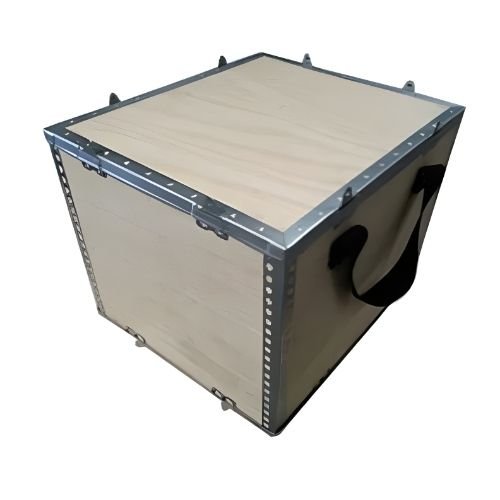
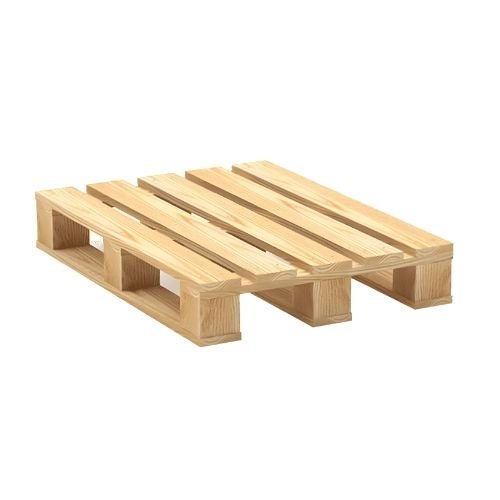
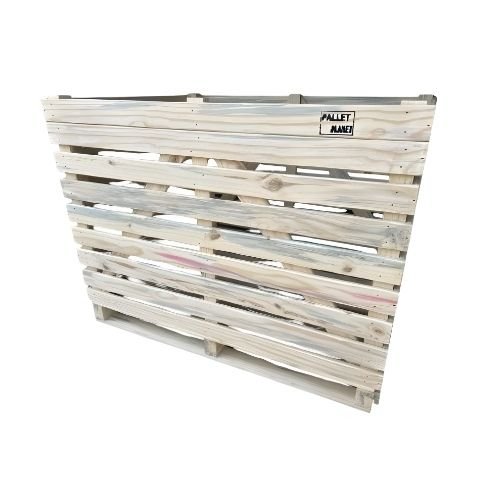
- Related Industrial Packaging: PalletPlanet also supplies 2-way pallets, 4-way pallets, Euro pallets, wooden bins and nail-less boxes.
Practical buyer note
If two suppliers quote two very different prices for “the same CP9 pallet,” compare the actual timber sections, board thickness, deck arrangement, base construction, treatment, moisture expectation and fastening specification before comparing only the final number.
Frequently Asked Questions About CP1, CP3 and CP9 Pallets
Q: What is the difference between CP1, CP3 and CP9 pallets?
A: CP1, CP3 and CP9 are different Chemical Pallet designs. CP1 is commonly 1200 × 1000 mm, while CP3 and CP9 are commonly 1140 × 1140 mm. CP3 and CP9 share a nominal footprint but use different constructions, so they should not be treated as interchangeable.
Q: Which CP pallet is commonly used for drums?
A: CP3 and CP9 are often considered for drum and bulk industrial loads because of their square 1140 × 1140 mm footprint. Final selection should still follow the product arrangement, load and customer specification.
Q: What is the nominal size of a CP1 pallet?
A: A commonly referenced CP1 footprint is 1200 × 1000 mm. Always confirm the exact drawing and construction before ordering.
Q: What is the nominal size of CP3 and CP9 pallets?
A: Both are commonly referenced at 1140 × 1140 mm, but their structural design is different.
Q: Are CP pallets only for chemical companies?
A: No. They are strongly associated with chemical-industry logistics, but the same pallet formats can also be useful in plastics, polymers, industrial packaging, warehousing and related supply chains when the design suits the load.
Q: Do CP pallets need ISPM 15 treatment for export?
A: Solid wood packaging used in international trade may need ISPM 15 treatment and marking depending on the destination and applicable phytosanitary rules.
Q: Can PalletPlanet supply CP1, CP3 and CP9 pallets?
A: PalletPlanet has product categories for CP1, CP3 and CP9 pallets and can discuss supply according to the required dimensions, drawing, loaded weight, quantity, treatment and handling conditions.
Q: What information should I send for a CP pallet quotation?
A: Send the CP type, drawing or dimensions, loaded weight, product form, quantity, handling method, storage method and whether the pallet is for domestic or export use.
Request a Quote for CP Pallets in India
If you are comparing CP1 vs CP3 vs CP9 pallets, send PalletPlanet the required CP type, drawing or dimensions, loaded weight, product type, quantity, handling method and destination. That gives the team enough information to discuss the right construction instead of sending a generic pallet quote.
Need CP1, CP3 or CP9 Pallets?
Contact PalletPlanet (Pallet Planet Private Limited) for CP pallets and related industrial wooden packaging. Call +91 9033890706 or email Sales@palletplanet.net.in.
Request a Free Quote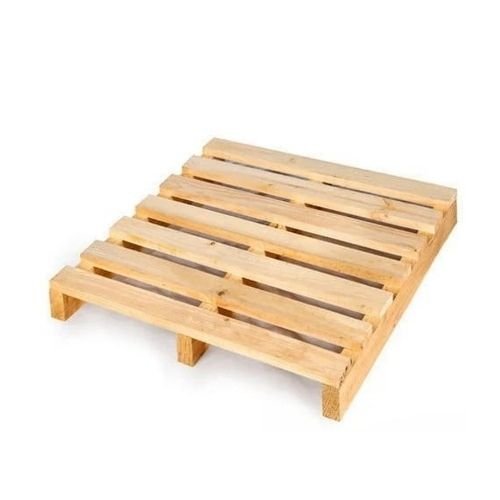
Comments 0
Real discussions from our readers.